Cook Down Your Grocery Bill
Most kitchens don't have a cooking problem — they have an inventory problem. Food gets bought with good intentions, waits optimistically in the crisper drawer, and gets thrown out two weeks later. Cooking from what you already own is the single highest-yield grocery hack there is.
Where the money actually goes
Grocery spending leaks in two places: the food you throw away, and the duplicate purchases you make because you didn't know you already had it. Both are inventory failures, not cooking failures — and both respond to the same fix: shop your kitchen before you shop the store.
The math compounds fast. A weekly basket that's a quarter unwanted duplicates and expired produce is a grocery bill running meaningfully higher than the meals it produces.
Shop your kitchen first
Before any list gets written, spend five minutes in the fridge and pantry. Write down what's perishable and what's forgotten. That inventory — not a recipe you saw — is the seed of this week's menu. This is exactly the workflow PantryGen automates: type the inventory in, get dinners out.
- Expiring produce anchors the next two dinners, not next week's.
- Half-used jars and sauces are flavor you already paid for.
- The wilting spinach you'd toss is a cream sauce ingredient.
Cheap anchors, expensive accents
Restaurant economics work at home too: build the meal on inexpensive anchors — eggs, legumes, seasonal vegetables, tougher cuts — and spend your money on accents that punch above their weight. A little parmesan, a squeeze of real lemon, fresh herbs in the last minute of cooking.
The anchor carries the meal; the accent makes it feel expensive. Flip that order and you get food that costs like restaurant food but doesn't taste like it.
The leftover ladder
Leftovers fail when they're served as themselves. They win when they move one rung down the ladder: roast vegetables become salads and frittata fillings, last night's curry becomes tonight's lunch over fresh rice, herb stems and vegetable trim become stock. Same food, new meal — which is the difference between eating leftovers and eating dinner.
Let the AI count your pantry
PantryGen was built for exactly this loop: ingredients in, recipe out. Give it the five things that need using up and it returns a complete dinner — steps, portions, nutrition — built around them. The fridge stops being where food goes to die and becomes the menu.
A smaller grocery bill isn't about buying less — it's about cooking what you buy. Inventory first, cheap anchors, accents where they count.
Try these recipes
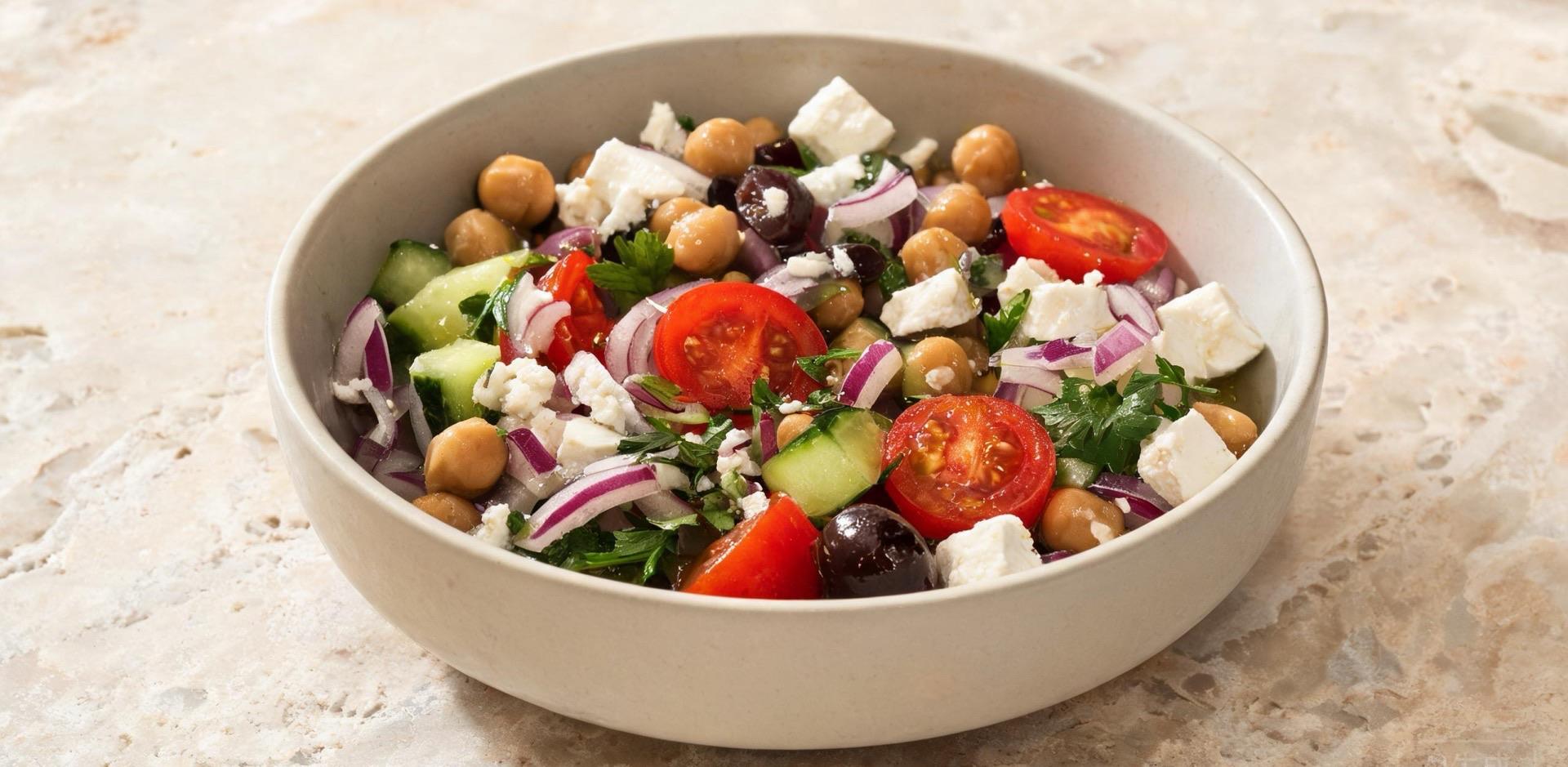
Mediterranean Chickpea & Avocado Salad
Crisp Persian cucumber, heirloom grape tomatoes, whipped tahini vinaigrette, and fresh spearmint ribbons.
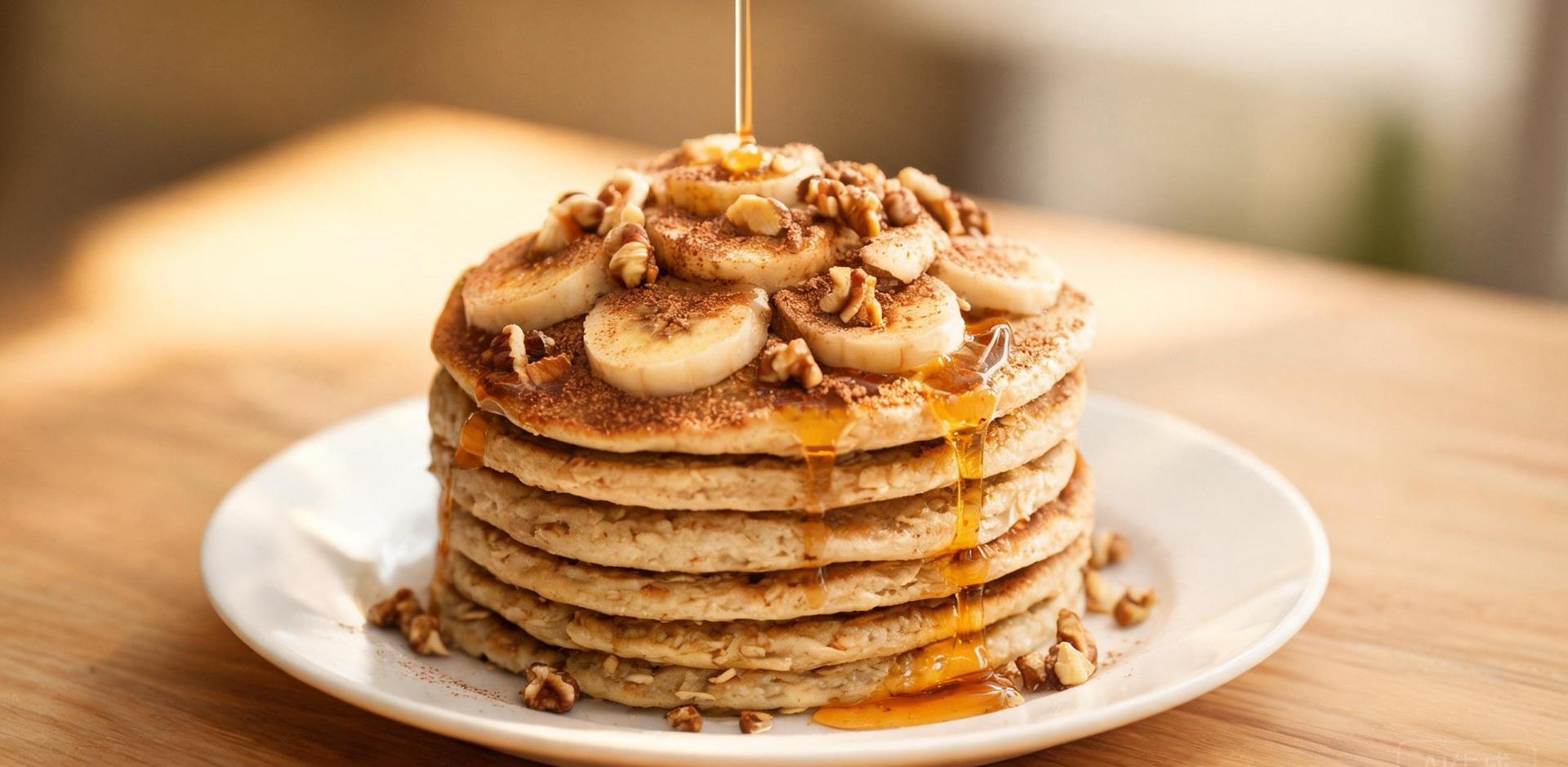
Fluffy Oat Banana Protein Pancakes
Rolled oats blended with vanilla isolate and cinnamon swirls, griddled golden and topped with warm blueberries.