What to Cook With What You Already Have
The most common cooking question isn't “which recipe should I make?” — it's “what can I make with what's in my kitchen right now?” Recipe sites are organized around dishes you might want; your fridge is organized around what you actually have. Closing that gap is the whole game.
The dinner question is backwards
Almost every recipe resource starts from the dish: you pick a recipe, then buy what it needs. That works for weekend projects, but on a Tuesday it fails in the most ordinary way — you have half a bag of spinach, cream that expires Friday, and two chicken breasts, while the recipe you found wants cilantro you don't own.
Shopping-first cooking quietly trains you to waste food. The spinach wilts while you cook something else; the cream expires; the leftovers become guilt. Ingredient-first cooking flips the direction: the pantry leads, the recipe follows.
The ingredient-first method
You don't need to be a chef to improvise — you need a repeatable structure. Before you decide anything, spend five minutes taking inventory, then build the meal around one anchor.
- Pick the anchor: the protein or centerpiece that expires first — chicken, fish, tofu, eggs.
- Pair it with an allium and a fat: garlic or shallot in olive oil, butter, or cream is how most good dinners begin.
- Add a vegetable you can cook in the same window — spinach, zucchini, snap peas, cherry tomatoes.
- Finish with acid and freshness: lemon, a splash of vinegar, or fresh herbs in the last thirty seconds.
Patterns that always work
Underneath most restaurant dishes are a handful of repeatable patterns. Once you can name them, the contents of your fridge start looking like options instead of a puzzle.
- Cream + garlic + hard cheese → pan sauces for chicken, pork, or gnocchi.
- Lemon + herbs + olive oil → bright roasts for fish and asparagus, or a dressing for grains.
- Tomato + allium + long simmer → ragus and curries that forgive imprecise seasoning.
- Tahini or peanut + citrus → no-cook sauces that turn chickpeas and cucumbers into dinner.
A worked example: a tired Tuesday
Back to the spinach, the cream, and the chicken. Inventory says the anchor is the chicken. The pattern that matches is cream + garlic + hard cheese. Sear the chicken, wilt the spinach into the cream, grate in the parmesan, crack pepper over the top — and a “nothing dinner” becomes the one you make on purpose next week.
This is the exact dish that lives on our site as Garlic Basil Tuscan Chicken, along with its calories, protein, and timing — the details improvisation usually leaves to chance.
Where AI changes the game
The method above is decades old. What's new is not having to hold every pattern in your head. Type your inventory into PantryGen — “chicken, spinach, cream, parmesan” — and it composes a complete original recipe around exactly those ingredients: steps, portions, timing, and nutrition, matched to your diet tags.
The result isn't a suggestion to shop for something else. It's dinner, from what you already have, in the order you should cook it — which was the goal all along.
Ingredient-first cooking is less about talent and more about direction. Take the inventory, pick the anchor, pick a pattern — and when you'd rather not improvise, let the AI do it with you.
Try these recipes
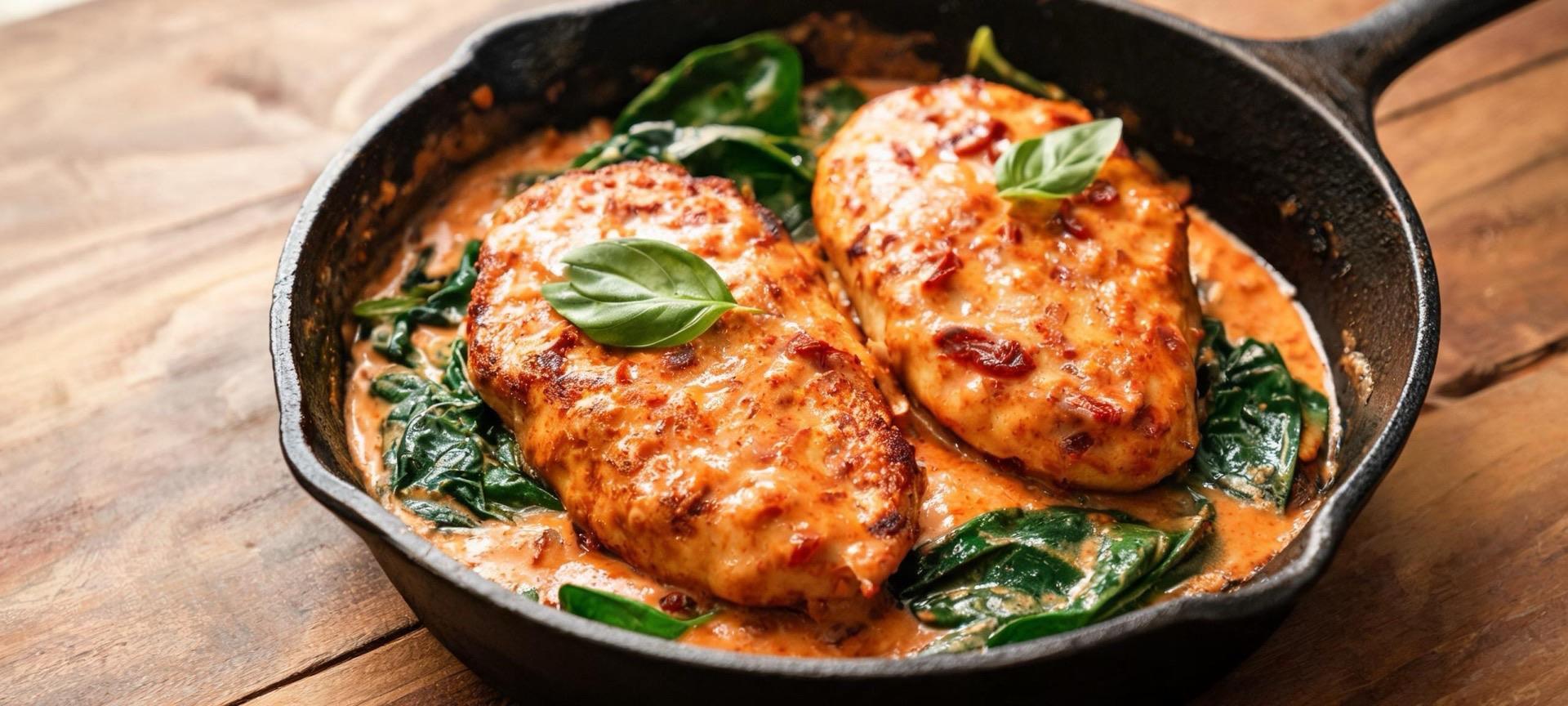
Garlic Basil Tuscan Chicken
Seared organic cutlets smothered in sun-dried tomato velvet cream with wilted wild spinach and cracked peppercorn.
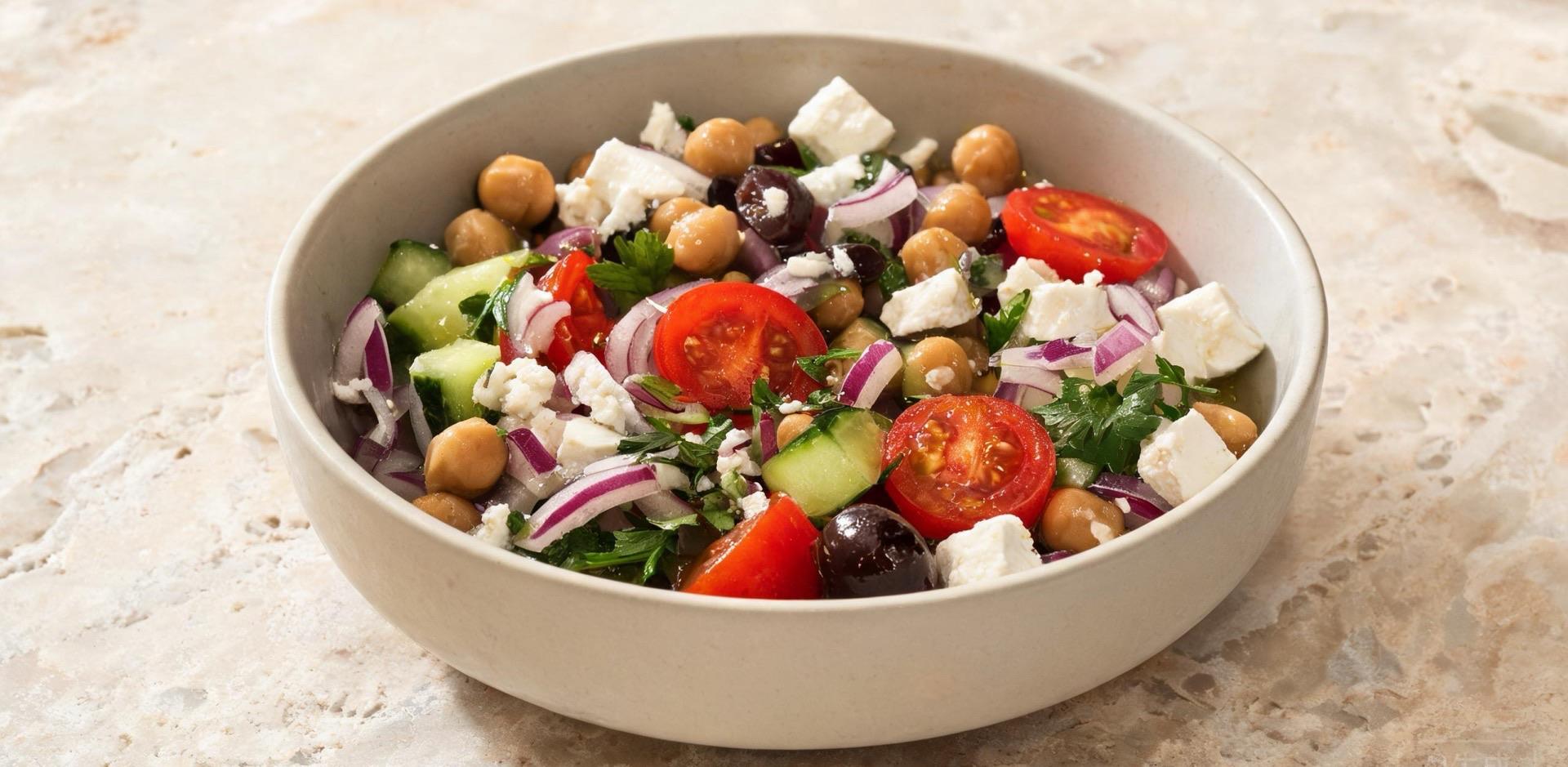
Mediterranean Chickpea & Avocado Salad
Crisp Persian cucumber, heirloom grape tomatoes, whipped tahini vinaigrette, and fresh spearmint ribbons.
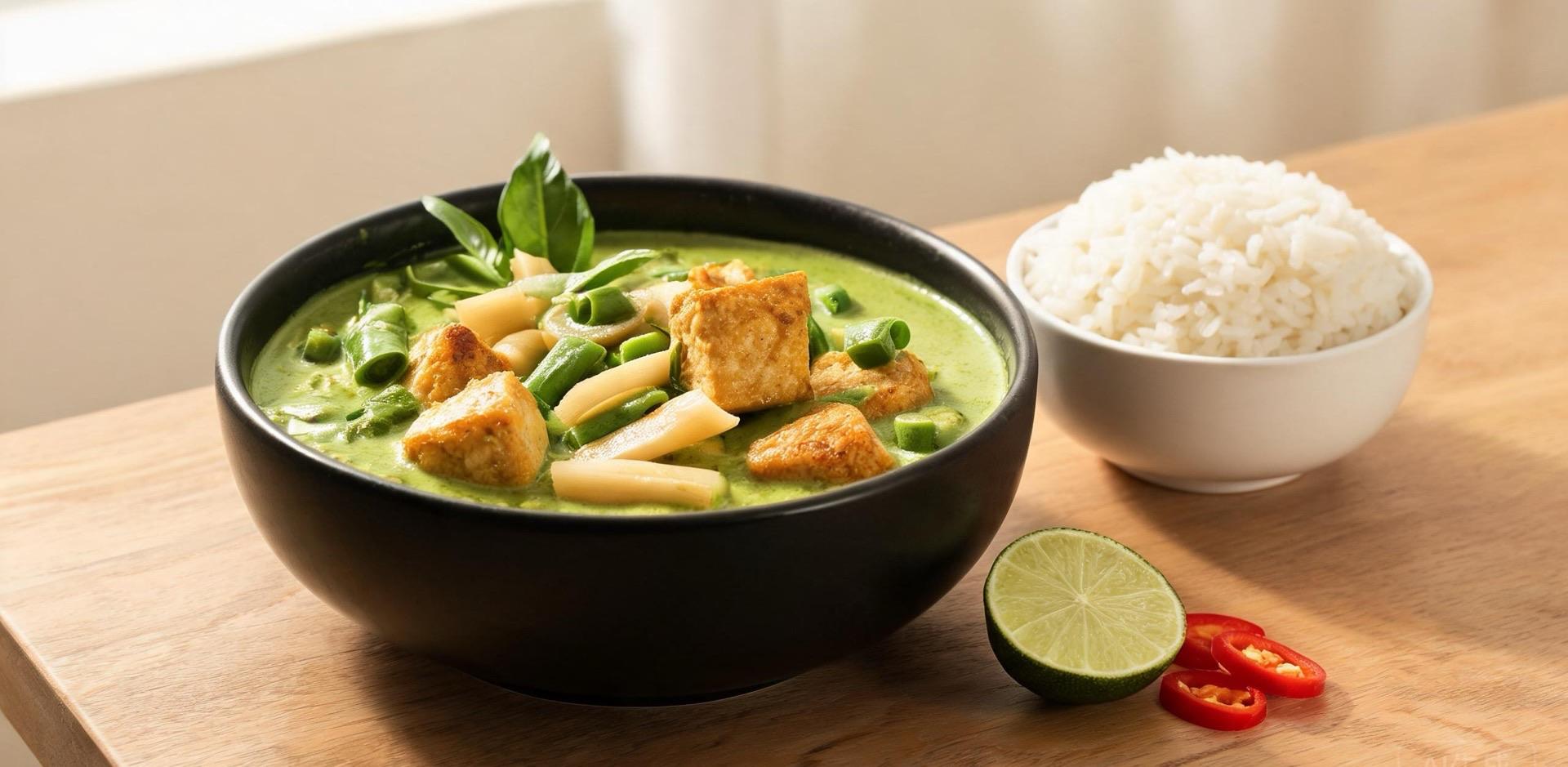
Thai Green Coconut Curry with Crisp Tofu
Aromatic kaffir lime and lemongrass infused coconut broth loaded with organic crisp tofu and snap peas.